
A dive into Trancoso ́s beauty
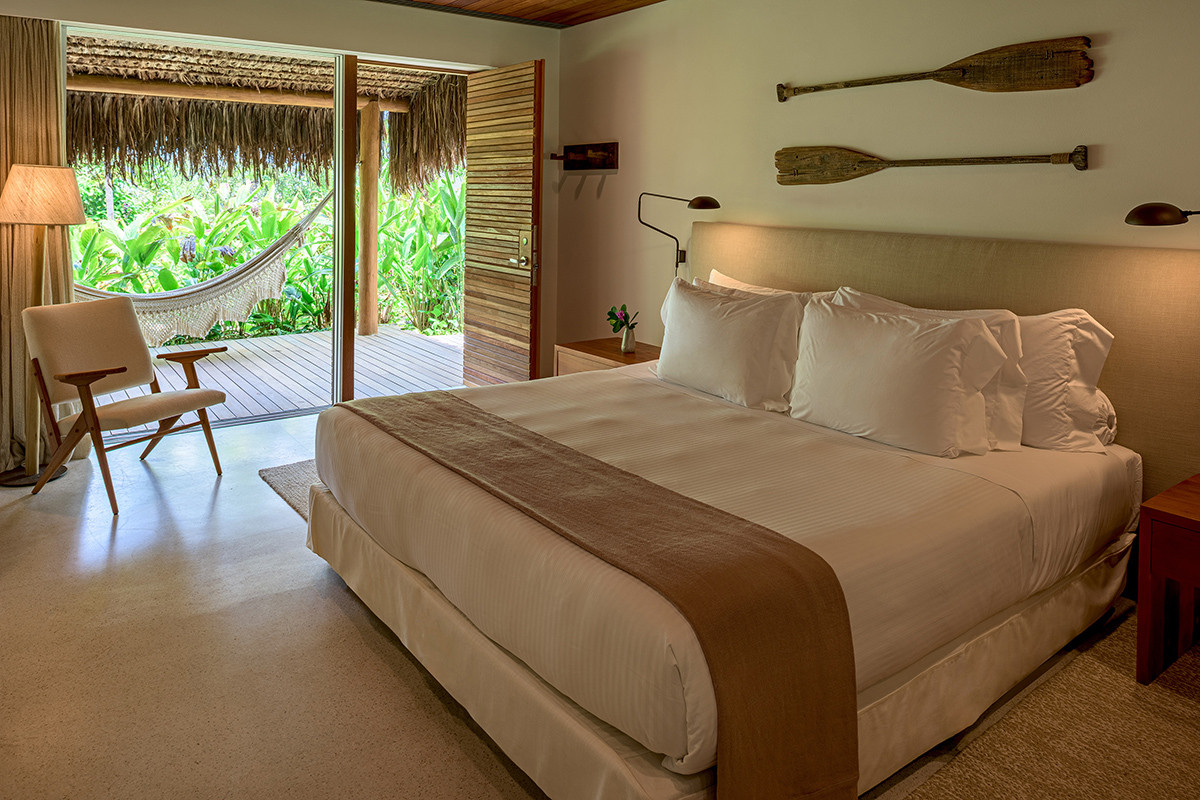
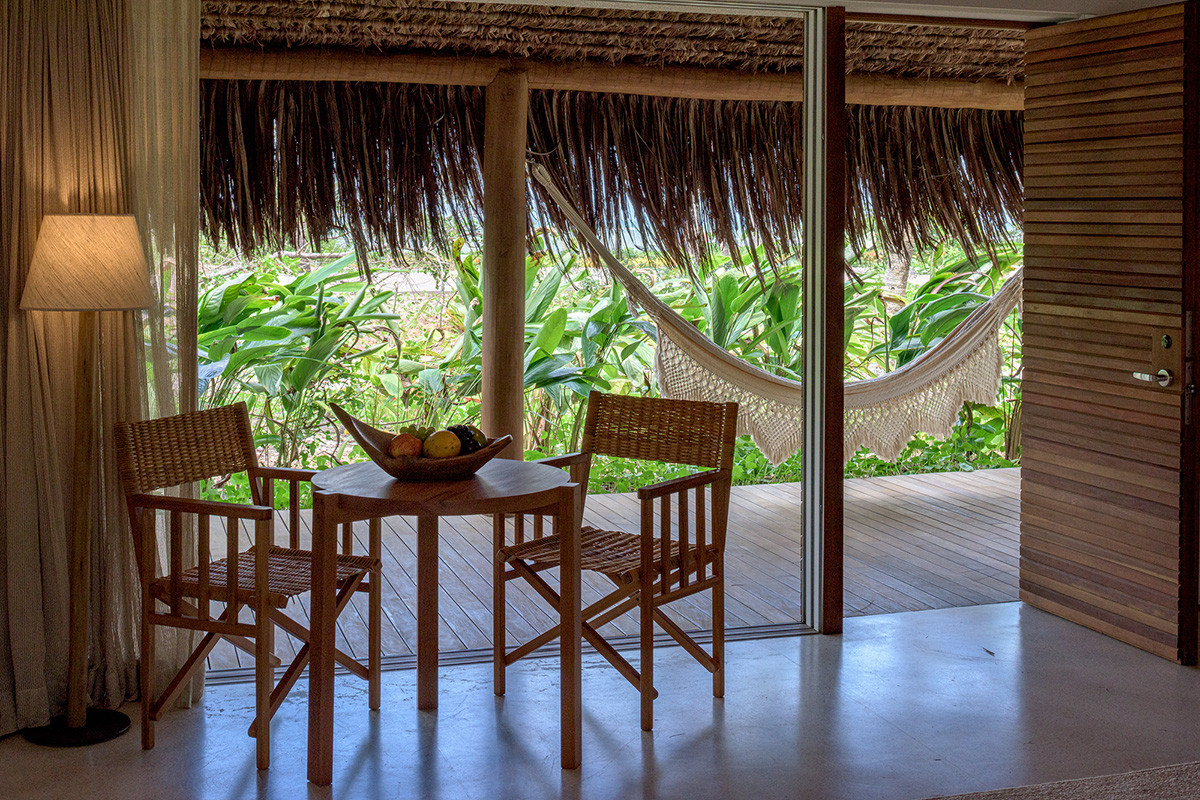
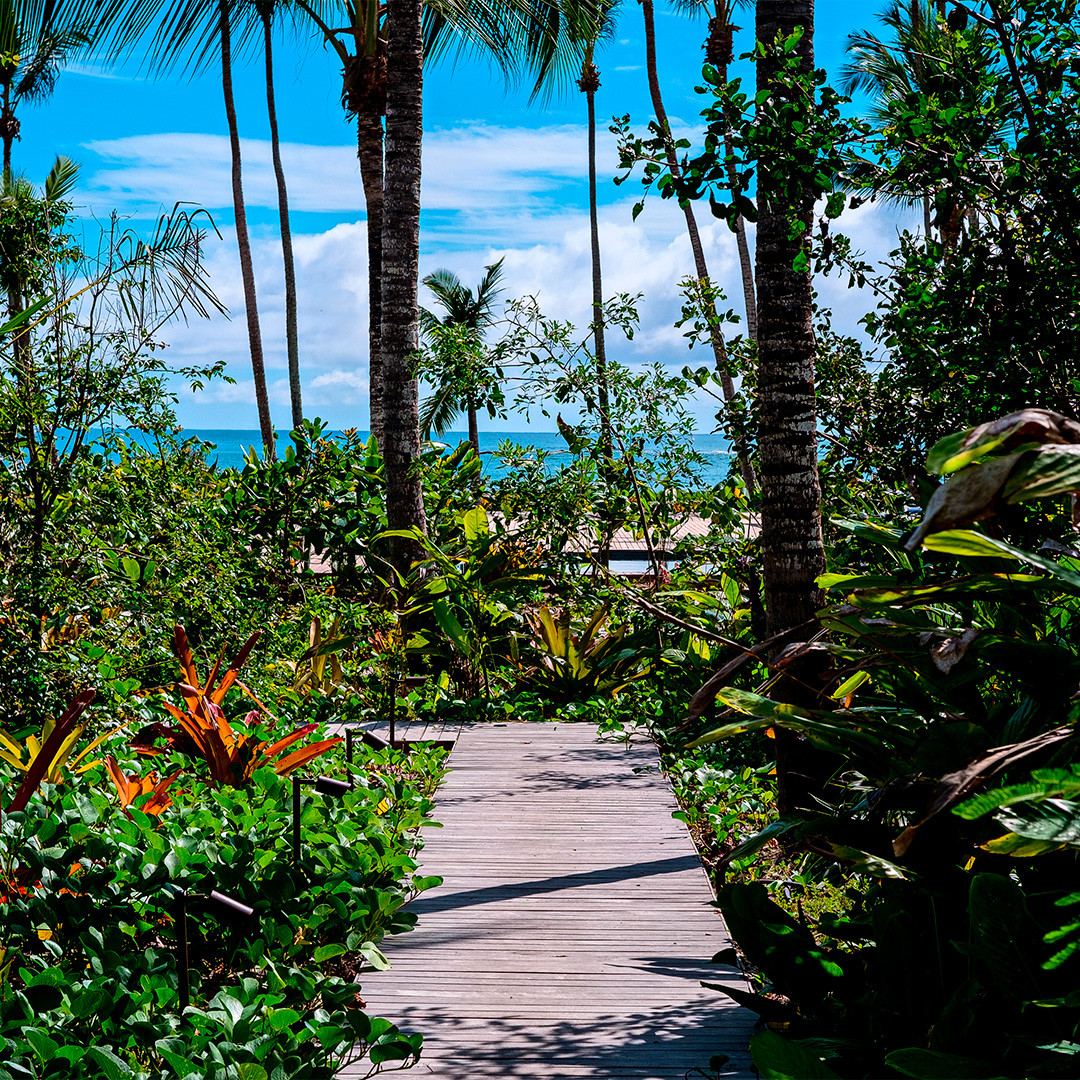
Trancoso is one of Brazil’s most sought-after destinations, known for combining preserved nature with the charm of rustic sophistication. In this former fishing village, Hotel Fasano Trancoso was conceived in harmony with the essence of the local community. Designed by architect Isay Weinfeld, the project establishes a dialogue with nature, from the positioning and design of each suite to the materials used throughout the construction.




Location
3925 Itaquena Road - Itapororoca Beach
Trancoso - Bahia
45810-000

NEARBY AIRPORTS
Porto Seguro Airport – BPS
Terravista Airport – TXF
Highlights
What awaits you at the destination
-
 BEACH
BEACH
-
DESIGN
-
SPA
-
GASTRONOMY
-
ARCHITECTURE
-
WELLNESS
Property Details
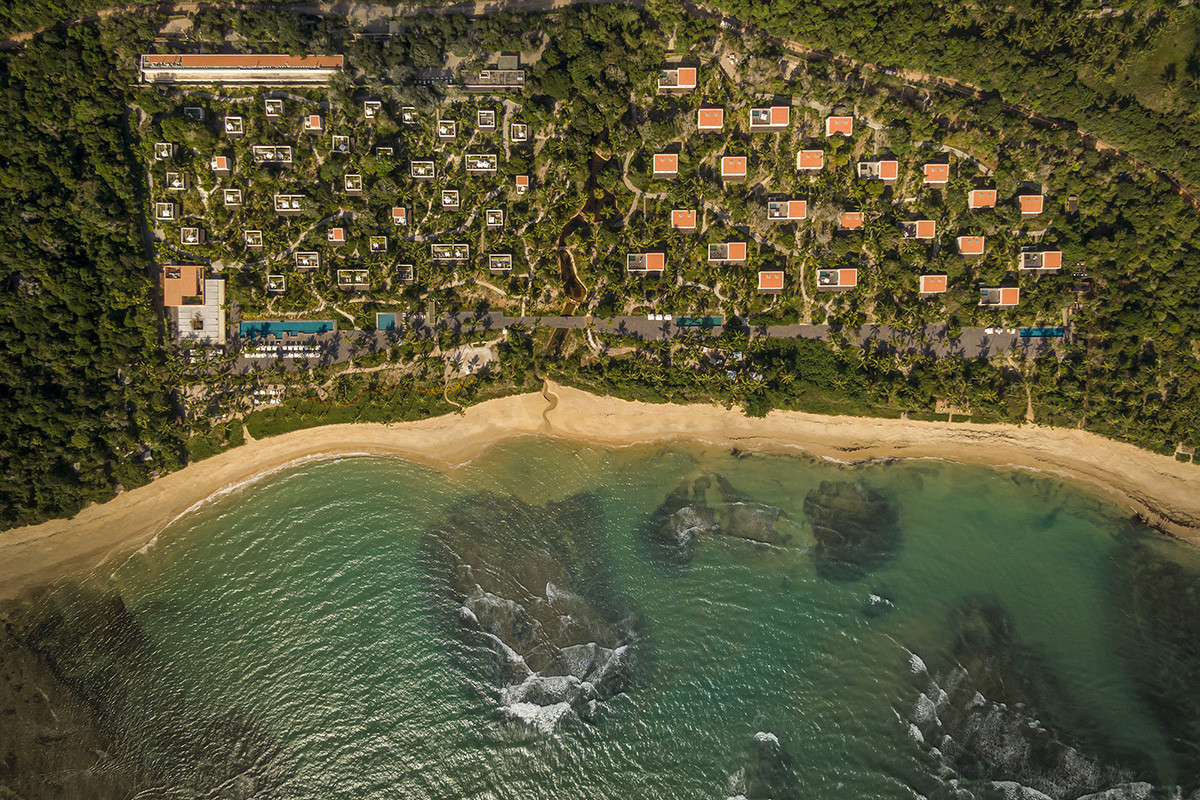
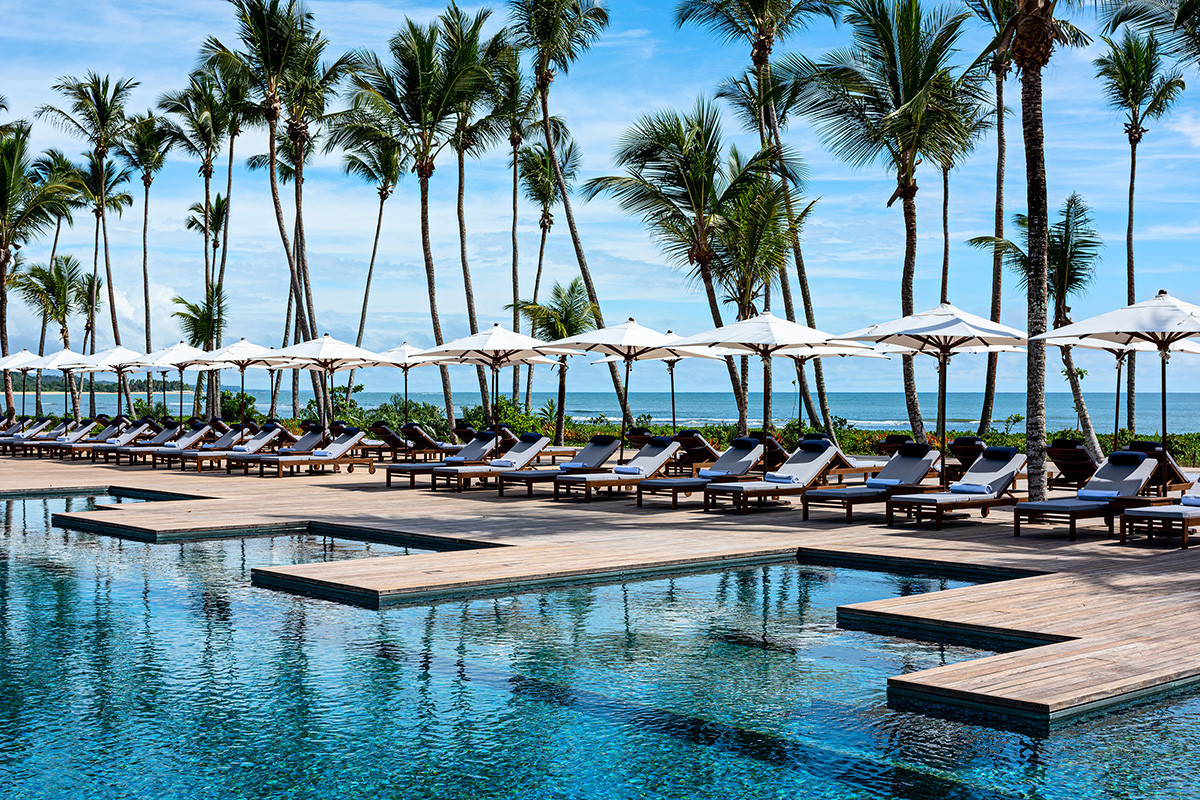
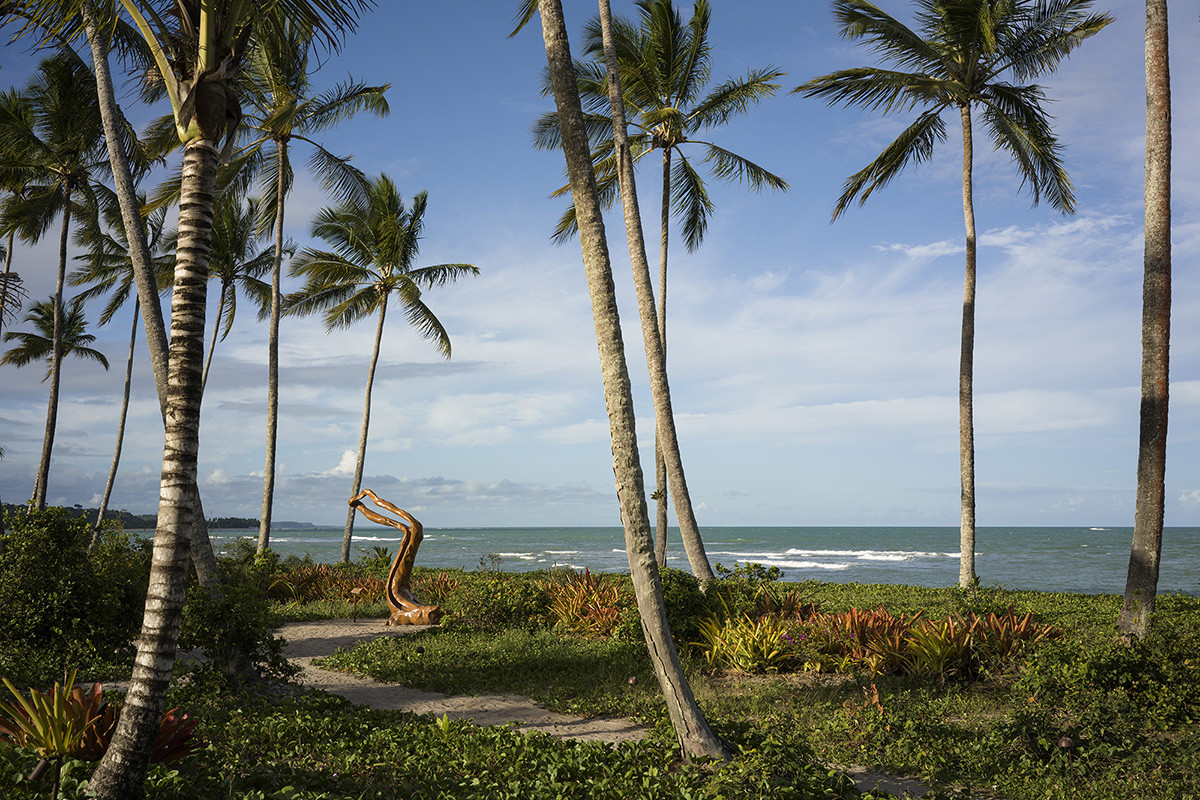
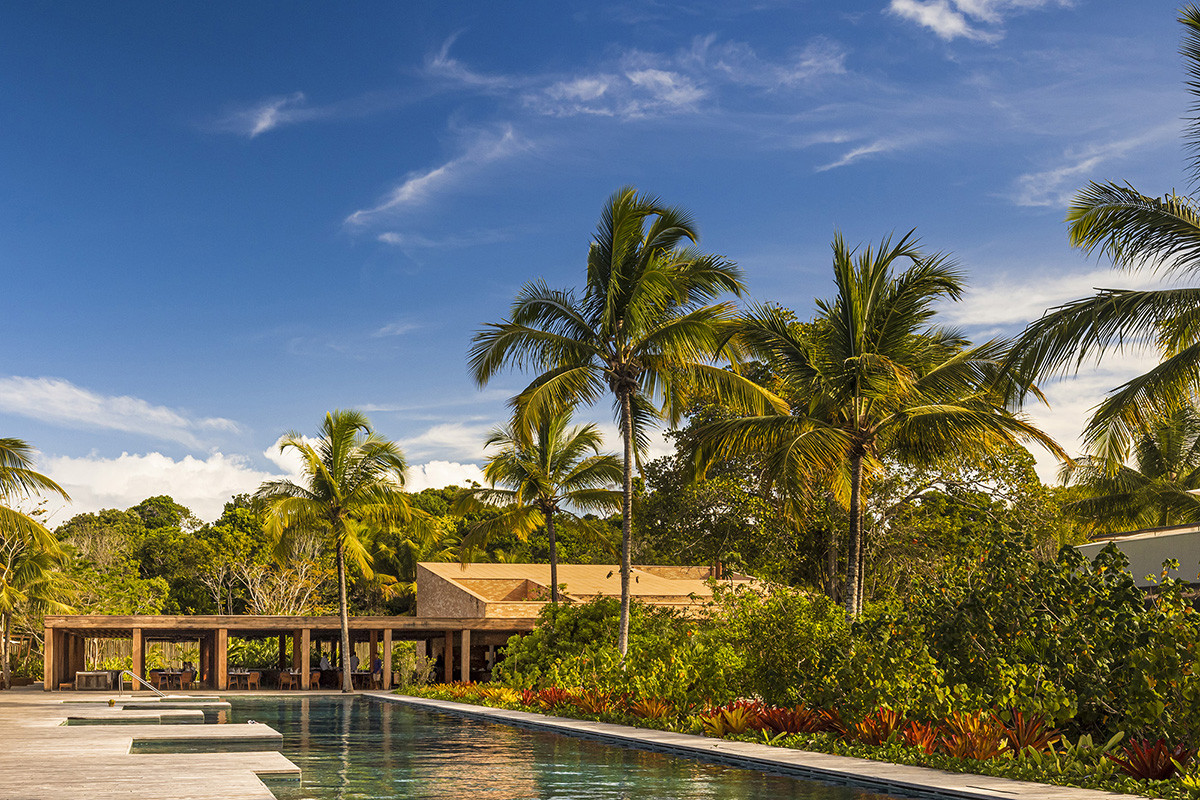
The property spans 300 hectares, of which 100 are dedicated to environmental preservation, set within native forest and the coastline of Bahia. There are 40 bungalows distributed across the area. Some units feature private upper-level terraces with lounge chairs and showers. A 500-meter deck runs along the front of the property, overlooking the sea, and includes two swimming pools. The spa includes a sauna, wellness pool, fitness center, and a menu of therapies.
Gastronomy
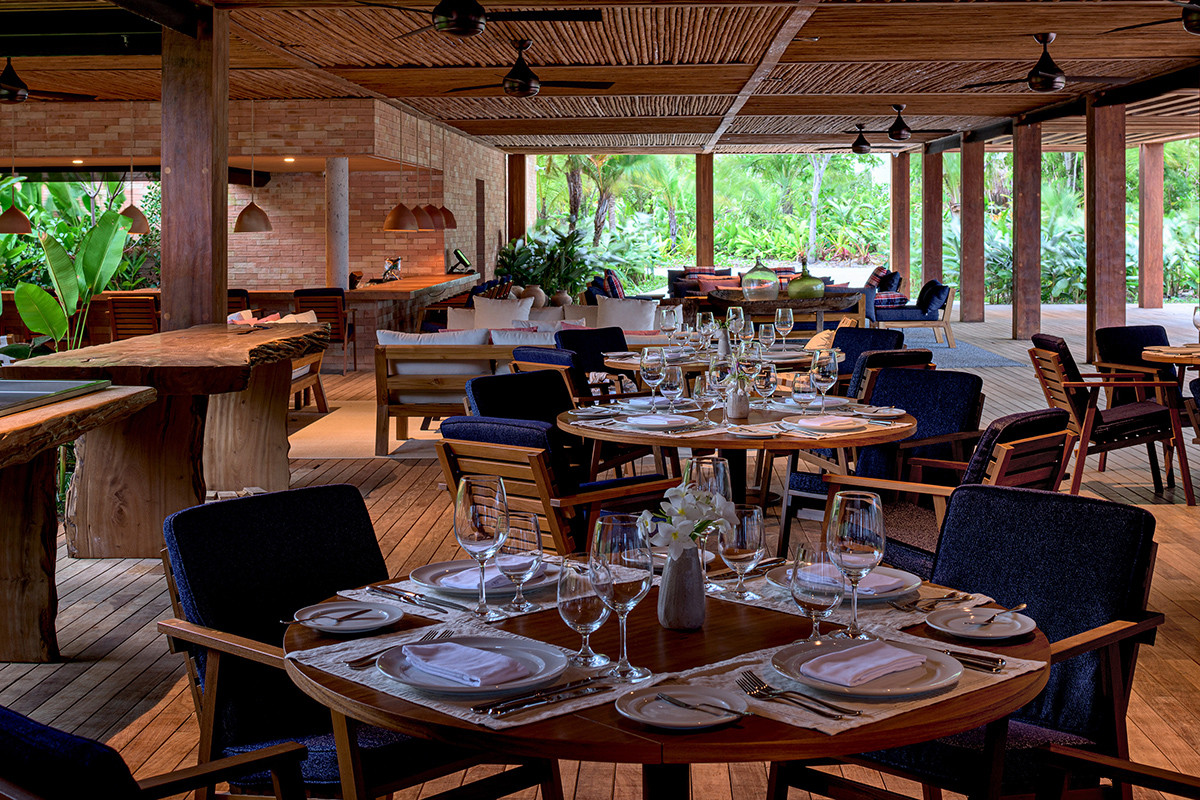
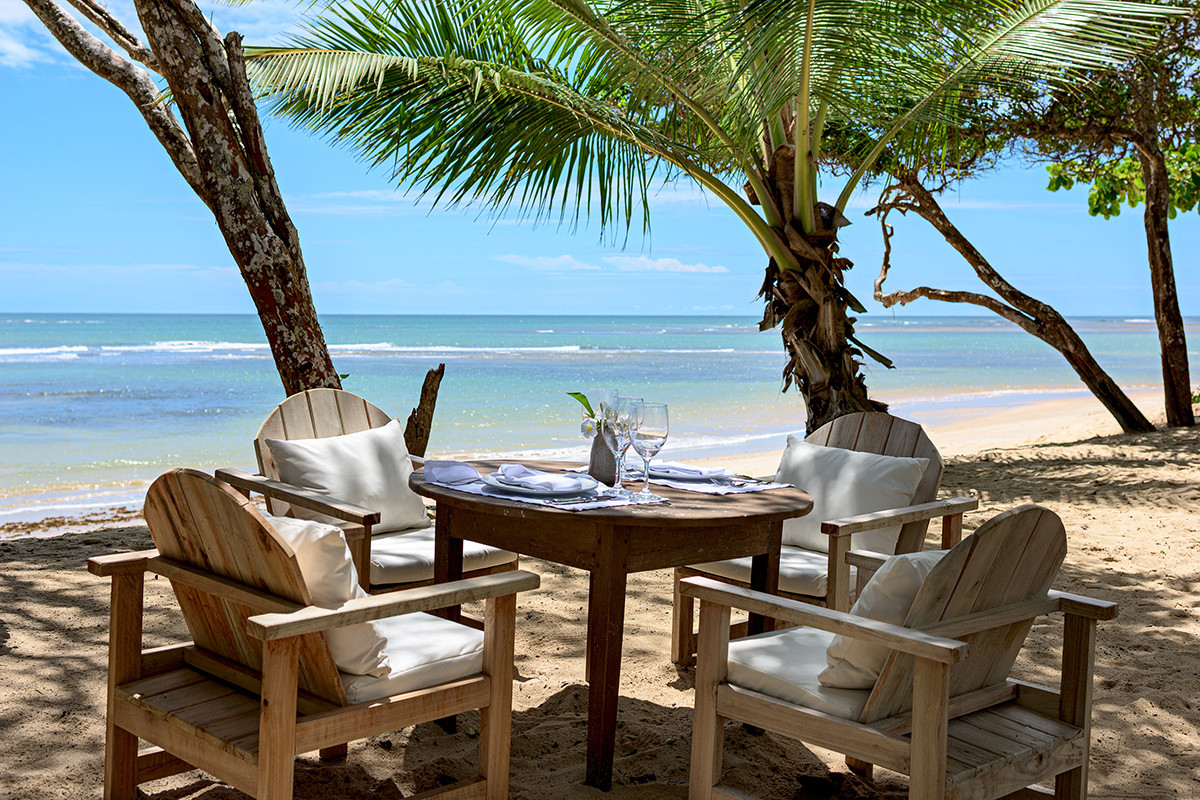
At Hotel Fasano Trancoso, dining is divided into two venues. Fasano Restaurant presents classic Italian cuisine combined with seafood and local dishes. Praia Trancoso, set by the sea at Itapororoca Beach, offers grilled meats and seafood from the parrilla, along with light dishes and drinks.
Experiences
Fasano Trancoso offers a selection of experiences and activities, including boat tours, outdoor sports and regional tours.
Socio-environmental responsibility
Our commitment
-
Animal welfare: exclusive use of cage-free eggs across all group operations.
-
Food waste reduction: partnership with Comida Invisível connects surplus food with those in need.
-
Social impact: support for Projeto Arredondar, directing donations to NGOs focused on education and food security.
-
Waste management: monitoring and proper disposal of waste, reducing landfill use.
-
Biodiversity: environmental care initiatives and awareness among guests, partners and employees.
 Previous property